


Showroom Interior Design in Bangladesh: Essential Tips for Success
The Power of the First Impression
In the world of retail, the first ten feet of your store are known as the “Decompression Zone.” This is where your customer transitions from the chaotic heat and noise of Dhaka’s streets into your brand’s world.A successful Showroom Interior Design in Bangladesh prioritizes this entry point. The lighting should be inviting, the temperature should be a crisp contrast to the outside humidity, and the scent should reflect your brand’s identity. If a customer feels overwhelmed the moment they walk in, they are likely to leave within seconds.
Pro-Tip: Use a “Power Wall” to the right of your entrance. Research shows that 90% of customers naturally turn right upon entering a store. This is your prime real estate for high-margin items or new arrivals.
Strategic Layouts: Mapping the Customer Journey
Your floor plan dictates how customers move, how long they stay, and ultimately, what they buy. There are three primary layouts used in modern Showroom Interior Design in Bangladesh:
A. The Grid Layout
Common in electronics and grocery showrooms, this layout maximizes product display and creates a familiar, easy-to-navigate path.
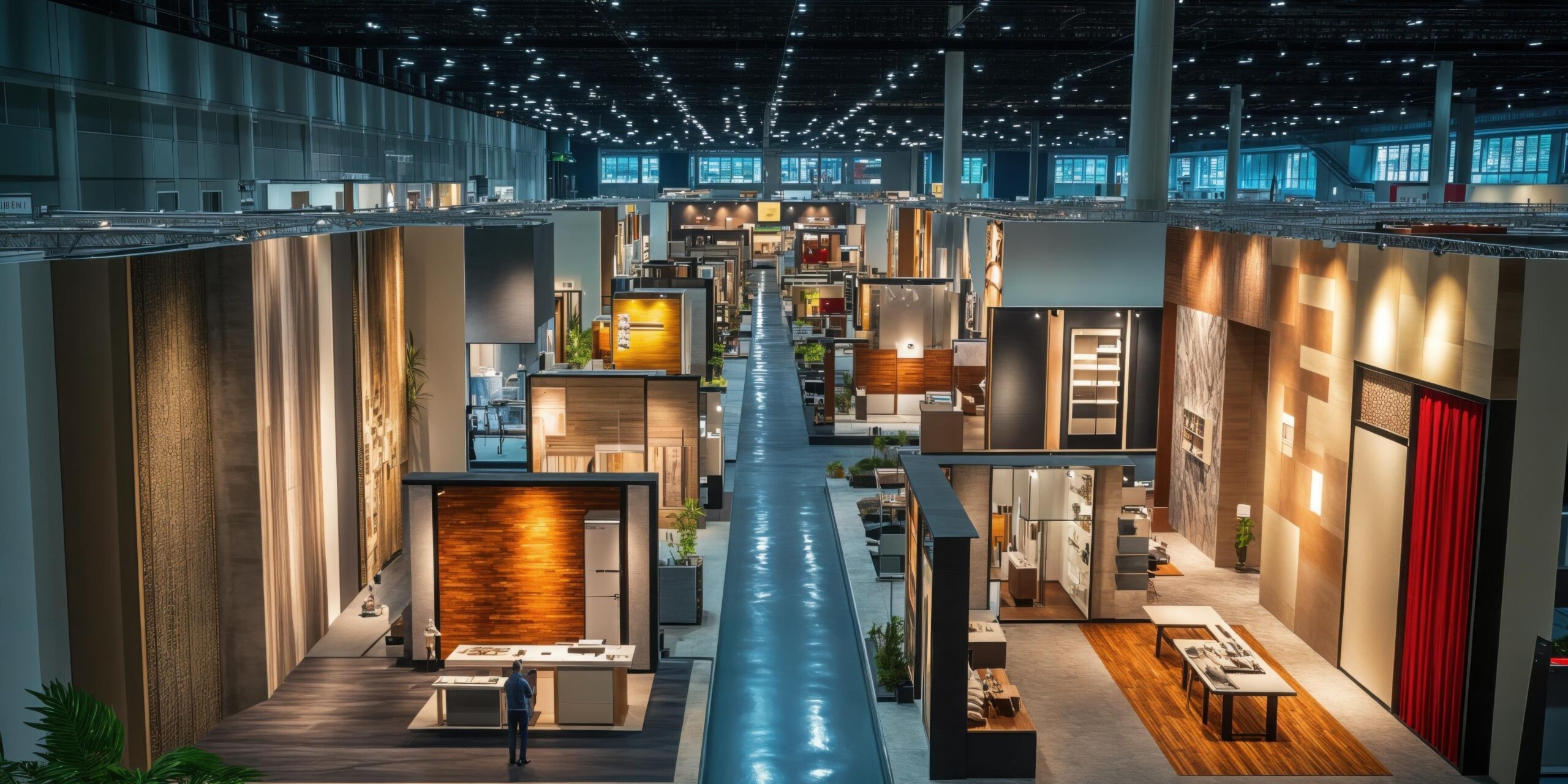
- Best for: Mobile shops (Samsung, Apple resellers), hardware, and high-volume retail.
B. The Loop (Racetrack) Layout
This layout creates a clearly defined path that leads customers through every single department.
- Best for: Furniture showrooms (like Hatil or Otobi) or large lifestyle stores.
C. The Free-Flow Layout
The most creative approach, allowing for custom groupings and an open, airy feel.
- Best for: High-end fashion boutiques and luxury jewelry shops in Banani.
Lighting: The “Silent Salesperson”
If the layout is the bones of your showroom, lighting is its soul. In Bangladesh, where power fluctuations are common, investing in a high-quality, energy-efficient LED system is non-negotiable.
When planning your Showroom Interior Design in Bangladesh, consider these three layers:
- Ambient Lighting: The general illumination that makes the store safe and welcoming. (Aim for 3000K-3500K for warmth).
- Accent Lighting: Focused spotlights that draw the eye to specific products. A high Color Rendering Index (CRI > 90) is essential for clothing and jewelry to ensure colors look “true.”
- Task Lighting: Bright, functional light for the cash counter and trial rooms.
Material Selection for the Bangladeshi Climate
The tropical climate of Bangladesh—extreme humidity followed by heavy monsoons—presents unique challenges for retail interiors. Using the wrong materials can lead to warping, mold, or “sticky” surfaces.
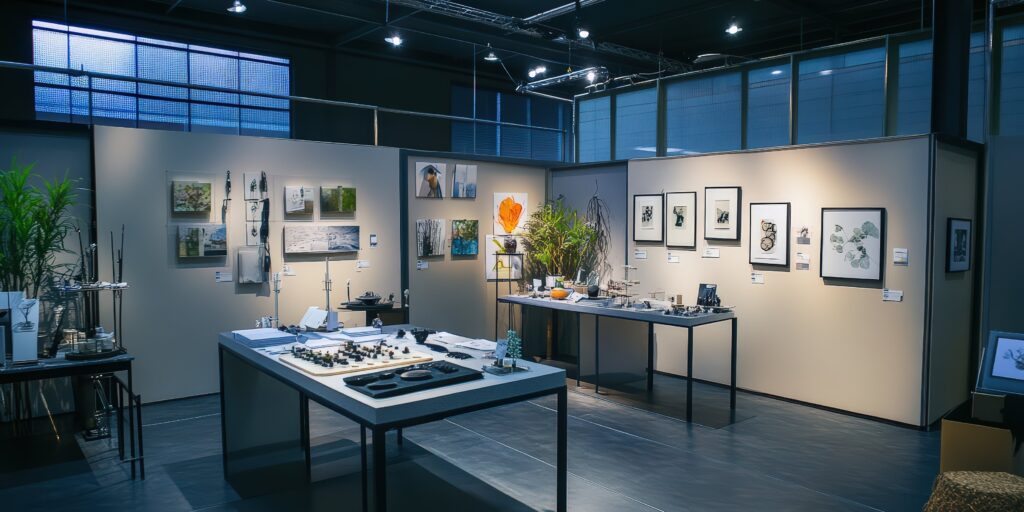
- Flooring: Vitrified tiles or polished concrete are the gold standard. They stay cool, are easy to clean, and resist moisture. Avoid cheap laminate wood which can buckle in high humidity.
- Walls: Moisture-resistant paints (like Berger Silk or Asian Paints Royale) are vital. For a premium look, consider “Louver Panels” or “Stone Cladding” which add texture without being prone to dampness.
- Woodwork: Always use Marine Plywood (BWP) for cabinetry. While MDF is cheaper, it often swells in Dhaka’s humid air.
The choice of materials is what separates a mediocre space from a world-class Showroom Interior Design in Bangladesh.
Biophilic and Sustainable Design Trends
2026 is the year of “Green Retail.” Modern consumers in Dhaka are increasingly eco-conscious. Incorporating “Biophilic” design—bringing the outdoors in—is a major trend in Showroom Interior Design in Bangladesh.
- Vertical Gardens: Use real or high-quality preserved moss walls to create a calming atmosphere.
- Natural Materials: Incorporate local bamboo, jute, and reclaimed wood. These materials are not only sustainable but also add a “Cultural Twist” that resonates with the local heritage.
- Air Purification: Large indoor plants like Snake Plants or Peace Lilies not only look great but also help manage indoor air quality in urban environments.
Technology Integration: The “Phygital” Showroom
The gap between physical and digital shopping is closing. To succeed today, your Showroom Interior Design in Bangladesh must be “Phygital.”
- Interactive Screens: Allow customers to browse products that aren’t currently on the floor.
- Smart Mirrors: In fashion boutiques, smart mirrors can suggest matching accessories or allow customers to request different sizes without leaving the trial room.
- Hidden IT Infrastructure: Ensure your Wi-Fi routers and CCTV cameras are integrated seamlessly into the design so they don’t disrupt the aesthetic.
Branding and Visual Merchandising
Your showroom should be a 3D version of your logo. The color palette of your Showroom Interior Design in Bangladesh should reflect your brand identity.
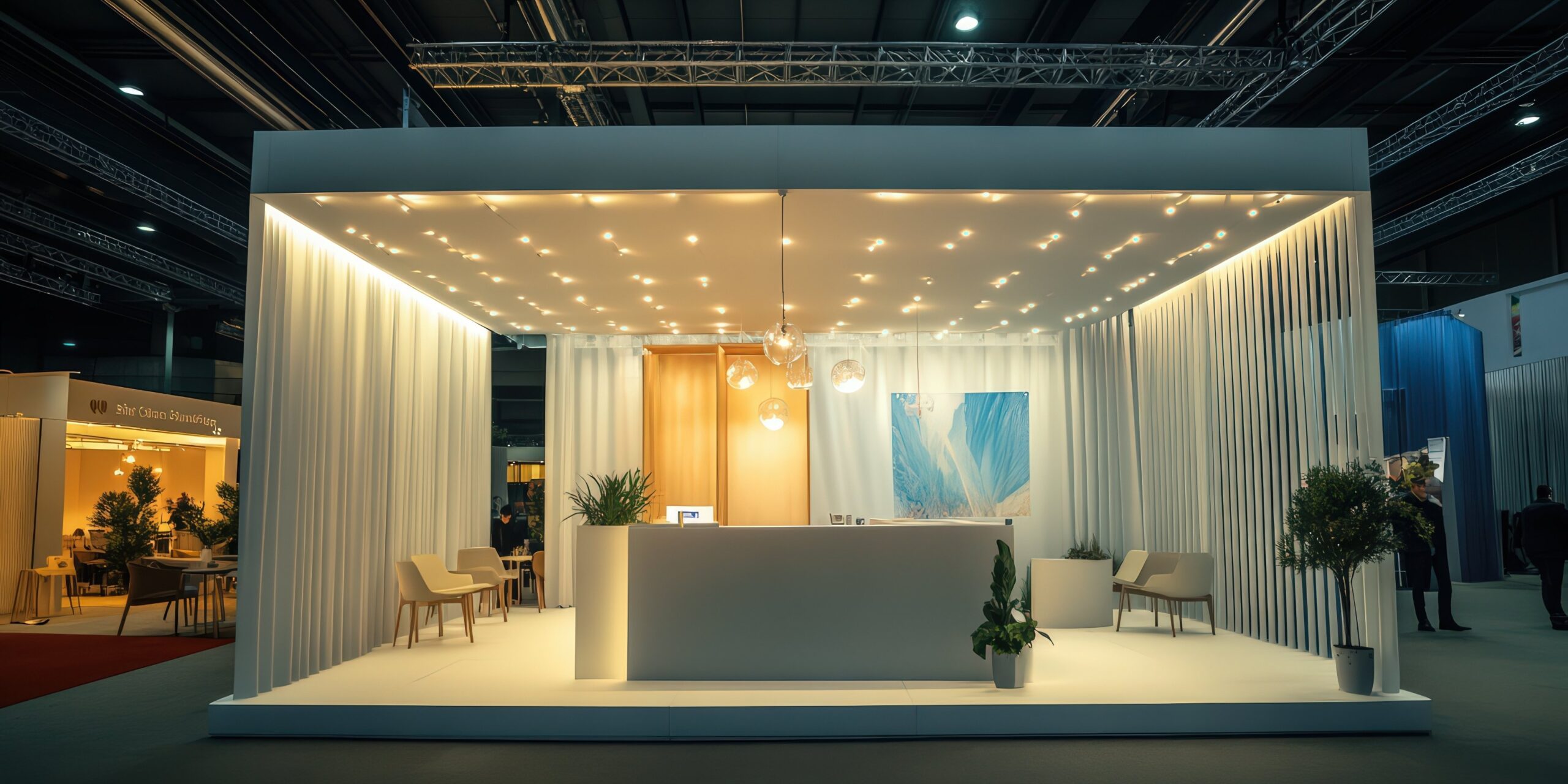
- Color Psychology: Use blue for trust (banks/electronics), red for energy (fast fashion/F&B), and emerald green or gold for luxury (boutiques).
- The “Z” Pattern: Display your products in a “Z” pattern on shelves. The human eye naturally scans this way, ensuring every item gets a moment of attention.
- Sense of Smell: Don’t underestimate “Scent Marketing.” A subtle, pleasant aroma can increase customer dwell time by up to 20%.
Budgeting for Success: The 2026 Price Guide
Budgeting is the most critical part of planning. In the current market, the cost of Showroom Interior Design in Bangladesh can be categorized into three tiers:
| Tier | Cost per SFT (BDT) | Best For |
| Budget (Entry) | ৳1,200 – ৳1,800 | Small shops, pharmacies, mobile booths. |
| Standard (Mid) | ৳2,000 – ৳3,500 | Branded retail stores, corporate showrooms. |
| Premium (Luxury) | ৳4,000 – ৳7,000+ | Flagship boutiques, jewelry, luxury cars. |
Where the money goes:
- Carpentry & Displays: 45%
- Flooring & Civil Work: 20%
- Lighting & Electrical: 15%
- HVAC (Air Conditioning): 10%
- Branding & Decor: 10%
Choosing the Right Interior Firm
Not every designer understands the specific needs of retail. When searching for an expert in Showroom Interior Design in Bangladesh, look for:
- A Retail Portfolio: Residential design is very different from commercial design. Ensure they understand “Customer Flow.”
- After-Sales Support: Retail spaces face high traffic. You need a team that can fix a loose hinge or a flickering light within 24 hours.
- BOQ Transparency: Ensure they provide a detailed Bill of Quantities with brand names for every material used.
Conclusion: Designing for the Future
A great showroom is an investment that pays for itself through increased sales and brand loyalty. By focusing on customer psychology, choosing the right materials for our local climate, and embracing the latest tech trends, you can create a space that doesn’t just display products—it tells a story. The standard of Showroom Interior Design in Bangladesh is rising rapidly. Don’t let your business fall behind. Start with a clear vision, hire the right professionals, and build a retail environment that your customers will want to visit again and again.
Recent Comments