


Modern Clinic Interior Design in Bangladesh
Successful Clinic Interior Design in Bangladesh for Patient-Centered Care
In the busy Bangladesh health care setting of today, the clinic is more than a sequence of examination rooms. Rather, it is a dignified space where people are relieved of fear, trust is built, and healing happens. The space’s look, functionality, and environment directly impact patient perception, employee work, and ultimately clinical outcome.
Interior design of Bangladeshi Clinics is now transforming from clinical, sterile structures to healing, patient-centered spaces. Doctors, administrators, and investors need to study the principles of good design in the hopes of developing a successful, clean, contemporary practice.
This step-by-step guide will take on the highlights, problems, and best practices of the day in applying state-of-the-art Clinic Interior Design in Bangladesh. We will discuss how you can balance international standards of hygiene and ergonomics with national cultural sensitivities while creating a healing environment, for certain.
Section 1: The Foundational Philosophy – Patient-Centric Clinic Interior Design
The overall design hypothesis of health care today is the patient journey. All that is designed will have to battle against anxiety and restore a sense of calmness and ability.
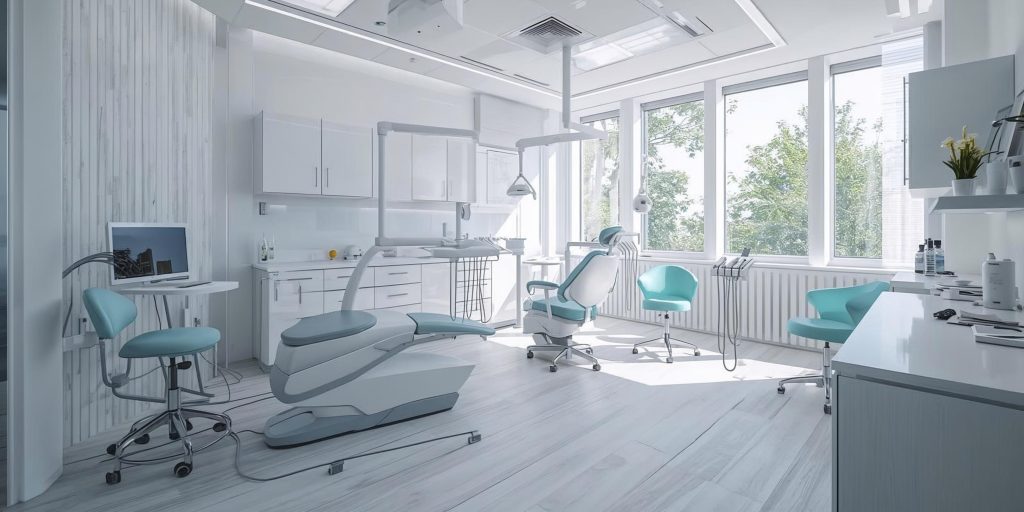
1.1. Reducing Patient Anxiety through application of Aesthetics
A trip to a clinic for most patients in Bangladesh is one filled with anxiety. The interior design will have to battle against it consciously.
- Color Psychology: No longer sterile whites and antiseptic grays. First-rate Clinic Interior Design in Bangladesh encompasses soothing color schemes—gentle blues, tranquil greens, and warm beige tones—that have been shown to reduce blood pressure and soothe anxiety. Warm wood tones can also banish the clinical chill.
- Biophilic Design Features: Biophilic design connection to nature (biophilic design) is a low-cost, high-benefit intervention. Installation of house plants (low-maintenance plants like Areca Palms or Money Plants), nature artwork, or even sight of a small internal courtyard greatly enhances patient welfare and is a feature of advanced Clinic Interior Design in Bangladesh.
- Non-Clinical Décor: Décor should be abstract, calming, or regionally suitable (e.g., serene view, historic motifs) and not educational or heavily graphic. The best approach is to create to be as hospital-unlike as possible and as similar as possible to a high-quality calming office.
1.2. Patient Flow and Wayfinding
Open, obstruction-free movement for efficiency and to avoid patient confusion should exist in a multi-specialty or large clinic.
- Planning and Zoning: Complete segregation of public space (reception, waiting), semi-public space (corridors, consultation rooms), and private space (laboratories, staff areas) in Bangladesh Professional Clinic Interior Design should be ensured. This minimizes disturbance and maintains patient confidentiality.
- Intuitive Wayfinding: Easy, multilingual (English and Bengali) way-finding utilizing universally accepted icons should be made available. Color-coding of various wings or departments also facilitates easy way-finding and minimizes staff intervention.
- Accessibility: Universal design is not a choice. Broad, wheelchair-accessible corridors, slip-resistant floor coverings, and accessible toilets—are non-negotiables that are part of good Clinic Interior Design in Bangladesh.
Section 2: Functional Excellence and Infection Control
Hot, humid temperatures make durability, hygiene, and ventilation prime design drivers in Bangladesh’s climate.
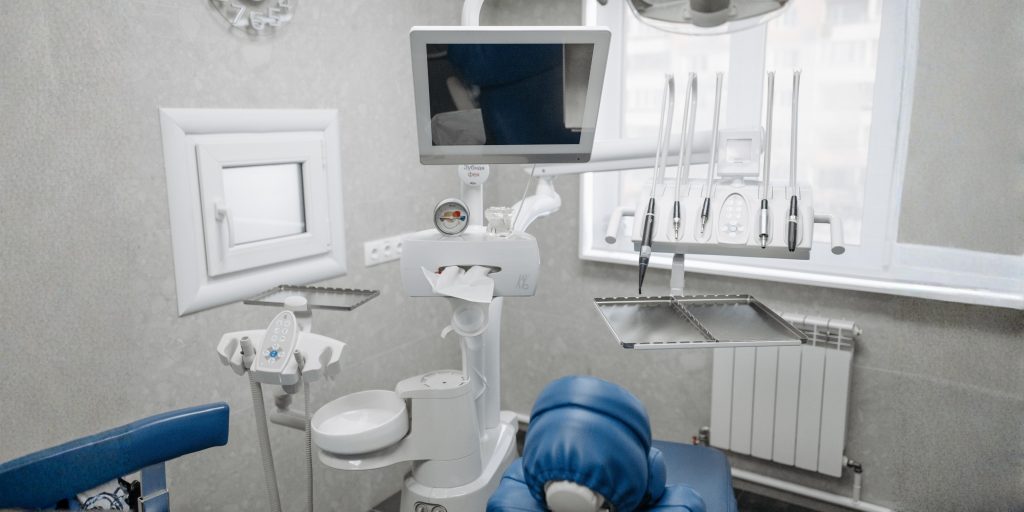
2.1. Hygienic and durable materials priorities
Product and finish selection has a direct bearing on infection control and the cost of long-term maintenance.
- Anti-Microbial Surfaces: All high-touch surfaces (reception counters, door handles, cabinet tops) will all be treated using non-porous anti-microbial products. They include laminates of the highest quality, anti-bacterial paint, and sealed solid surface materials.
- Seamless Flooring: Seamless floor coverings in the treatment rooms must be slip-resistant, cleanable, and seamless. Vinyl sheet covering or high-quality large-format tile with low grout lines must be installed in clinical areas, rather than carpets that trap allergens and dust.
Washable Walls: Walls of procedure and examination rooms must be painted with good washable, non-deteriorating on repeated and harsh disinfection paint or surface. It is a real need of good Clinic Interior Design in Bangladesh.
2.2. Adequate Lighting and Ventilation
There is no luxury in good lighting and air; they are the keys to proper diagnosis and healing of the patients.
Layered Lighting:
- Ambient Light: Ambient warm, soft light in waiting areas to relax.
- Task Light: High, neutral-white, adjustable lighting in physician suites and examiners’ rooms to provide plentiful work lighting.
- Natural Light: Increasing the amount of natural light that enters staff zones and waiting areas has been demonstrated to be circadian rhythm and mood improving.
- Air Management System: Ventilation is taken backseat in post-COVID. Interior Design of Bangladesh Clinic should be so designed to incorporate high-efficiency air filtration within the HVAC system for high-risk positive air pressure and routine fresh air exchange so that airborne germs cannot be spread.
2.3. Design of Doctor’s Chamber: Balance of Function and Trust
The doctor-patient interaction begins in the doctor’s consultation room.
- Dialogue Setup: The table should be set up in a way that will encourage dialogue and not be a point of contention. A tilt table or consult setup from the base workstation encourages open communication and trust establishment.
- Storage and Ergonomics: Hidden, intelligent, built-in storage for documents, machinery, and materials must be included. Seating for the doctor and patient must be ergonomic to accommodate long consultation hours. The look should be professional and understated confidence which speaks of the quality of Clinic Interior Design in Bangladesh.
Section 3: Cultural Sensitivity and Wellness Integration
Bangladesh Clinic Interior Design must be respectful and sensitive to local tradition and culture in a way that space will be familiar and welcoming.
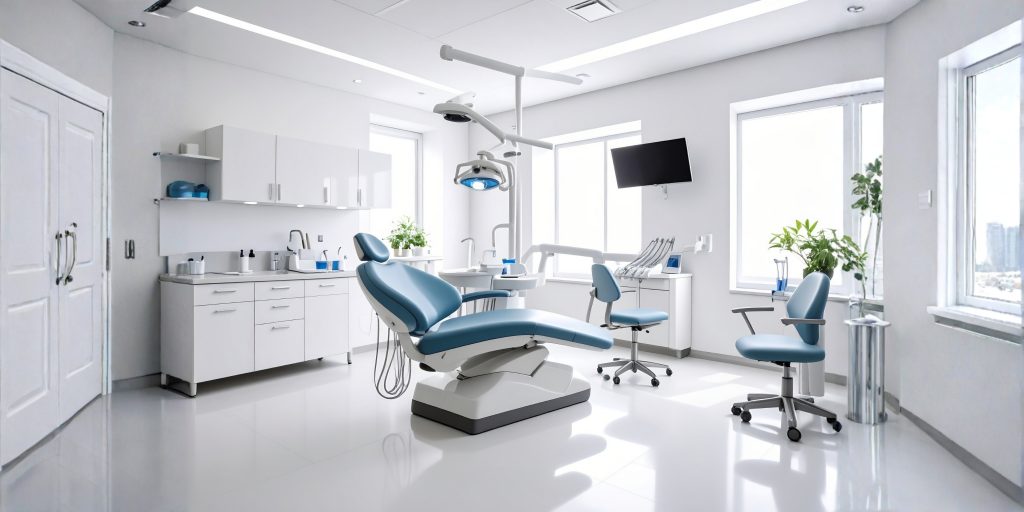
3.1. Local Texture and Handcraft Usage
- Textile Accents: Incorporate local hand-spun textile (even temporary for the sake of maintenance) in accent furniture such as pillows in the waiting area, bringing the warmth of Bangladeshi culture.
- Terracotta and Art: Well-quality small artifacts in indigenous material such as terracotta or jute, or well-framed replicas of idyllic indigenous scenery, can go a long way to produce an original, non-institutional environment.
- Vastu and Space Harmony: Not required but all Bangladeshi clients embrace Vastu Shastra suggestions. A Vastu conscious designer can design the waiting room, orientation of doctor’s chair (East or North direction), and entrance to follow a sense of favorable energy flow, which is increasingly taking its place in entire Clinic Interior Design in Bangladesh.
3.2. Calming Design in Waiting Area
Waiting room is the first extended exposure that the patient will have to the brand.
- Variety of Seating: Offer a variety of seating—individual chairs, smaller group areas, and priority seating for pregnant or elderly patients, which is a little more pricey with armrests.
- Amenities and Distractions: Add tasteful, modern amenities. Some of these include filtered water dispensers, sanitary modern toilets, and phone charging stations. A children’s zone (with wipe-clean toys and non-poisonous materials) is a definite requirement for pediatric-focused Clinic Interior Design in Bangladesh.
- Acoustic Management: Add acoustic ceiling tiles, wall panels, or soft ambient background noises (instrumental therapy music) to minimize the noise and keep confidential discussion at the reception counter from being heard by anyone in the waiting lounge.
Section 4: Future-Proofing Clinic Interior Design and Future Trends
4.1. Smart Technology and Adopting Digital Signage
Interactive patient information display and digital check-in self-service kiosk.Smart lighting devices with learning occupancy and time of day (energy efficiency). Future telemedicine or virtual consultation integration points in order that the Clinic Interior Design in Bangladesh is future-proof for the next few decades.
4.2. Green Design Practices
Low-VOC local material paint finish for improved indoor air quality. Energy-efficient LED lighting throughout the building. Water conservation with low-flow bathroom fittings—a green Clinic Interior Design practice in Bangladesh.
Section 5: Return on Investment of Professional Clinic Interior Design in Bangladesh
5.1. Employee Productivity and Retention Impact
Employee ergonomic workstations and lounges. Flexible-to-relocate to minimize distance to supplies. Aesthetic beauty which communicates a healthy work environment, preventing burnout, and stress.
5.2. Brand Image and Trust Optimization
How a professionally designed Clinic Interior Design in Bangladesh can communicate quality, trust, and dedication to patient care.
Creating a firm, consistent brand image through color, materiality, and logo positioning within the interior.
5.3. Value vs. Cost: An Investment for the Future
The additional expense of higher quality, longer lasting materials is paid back in reduced repair and replacement expense in the long run.
Beautifully designed clinic does attract and retain more patients, and this has a direct impact on top line.
FAQ – Clinic Interior Design in Bangladesh
1. Why is clinic interior design important in Bangladesh?
It enhances patient comfort, improves hygiene, and strengthens the clinic’s brand image.
2. How much does modern clinic interior design cost in Bangladesh?
On average, it ranges from 800 to 1500 BDT per sq. ft., depending on design and materials.
3. What factors should be considered when designing a clinic?
Lighting, color scheme, space planning, ventilation, and waiting area layout.
4. What are some small clinic interior design ideas?
Use minimalist layouts, smart furniture, neutral colors, and good lighting.
5. Which colors are best for clinic interiors?
Soft blue, white, and light green — these colors promote calmness and relaxation.
6. How can I choose the best clinic interior designer in Bangladesh?
Check their portfolio, client reviews, project experience, and budget compatibility.
7. How to maintain hygiene in clinic interior design?
Use easy-to-clean surfaces, ensure good ventilation, and choose non-slip flooring.
8. Can an old clinic be redesigned into a modern one?
Yes, renovation can easily transform an old setup with modern layouts and modular furniture.
9. What are the best ideas for a clinic waiting area design?
Comfortable seating, digital displays, soft lighting, and informative décor.
10. Does Idea Interior Solution provide clinic interior design services?
Yes, they offer professional clinic interior design and renovation services across Bangladesh.
The Final Thoughts:
Teamwork towards Excellence in Interior Design for Clinics in Bangladesh. The path of success as a health care business venture in Bangladesh is mapped out with visionary thinking and purposeful planning. Clinic Interior Design in Bangladesh as a practice can never be a captive of cost, combining art of healing with science in existing buildings. By prioritizing patient comfort, uncompromising sterility, functional efficiency, and cultural sensitivity your agenda to-do’s, your clinic will be a health care facility—a trailblazing sanctuary of health and well-being, no less, a model for the entire industry to follow.
Recent Comments