

Difference Between Commercial and Residential Interior Design in Bangladesh
The world of interior design in Bangladesh is flourishing, driven by the rapid urbanization of cities like Dhaka and Chittagong. From luxurious high-rise apartments to sprawling corporate headquarters, every space needs a designer’s touch. However, the approach, goals, and execution for a home and a business are fundamentally different. Understanding the precise distinctions between Commercial and Residential Interior Design in Bangladesh is crucial for clients and aspiring designers alike.
This comprehensive guide delves into the core differences, highlighting why a strategy that works for a stylish apartment might completely fail in a commercial office. We will explore the variations in purpose, durability, compliance, and budget that define Commercial and Residential Interior Design in Bangladesh.
Defining the Primary Goal: Comfort vs. Commerce
The most significant difference lies in the fundamental purpose of the space. Everything, from the choice of flooring to the color of the walls, stems from this core objective.
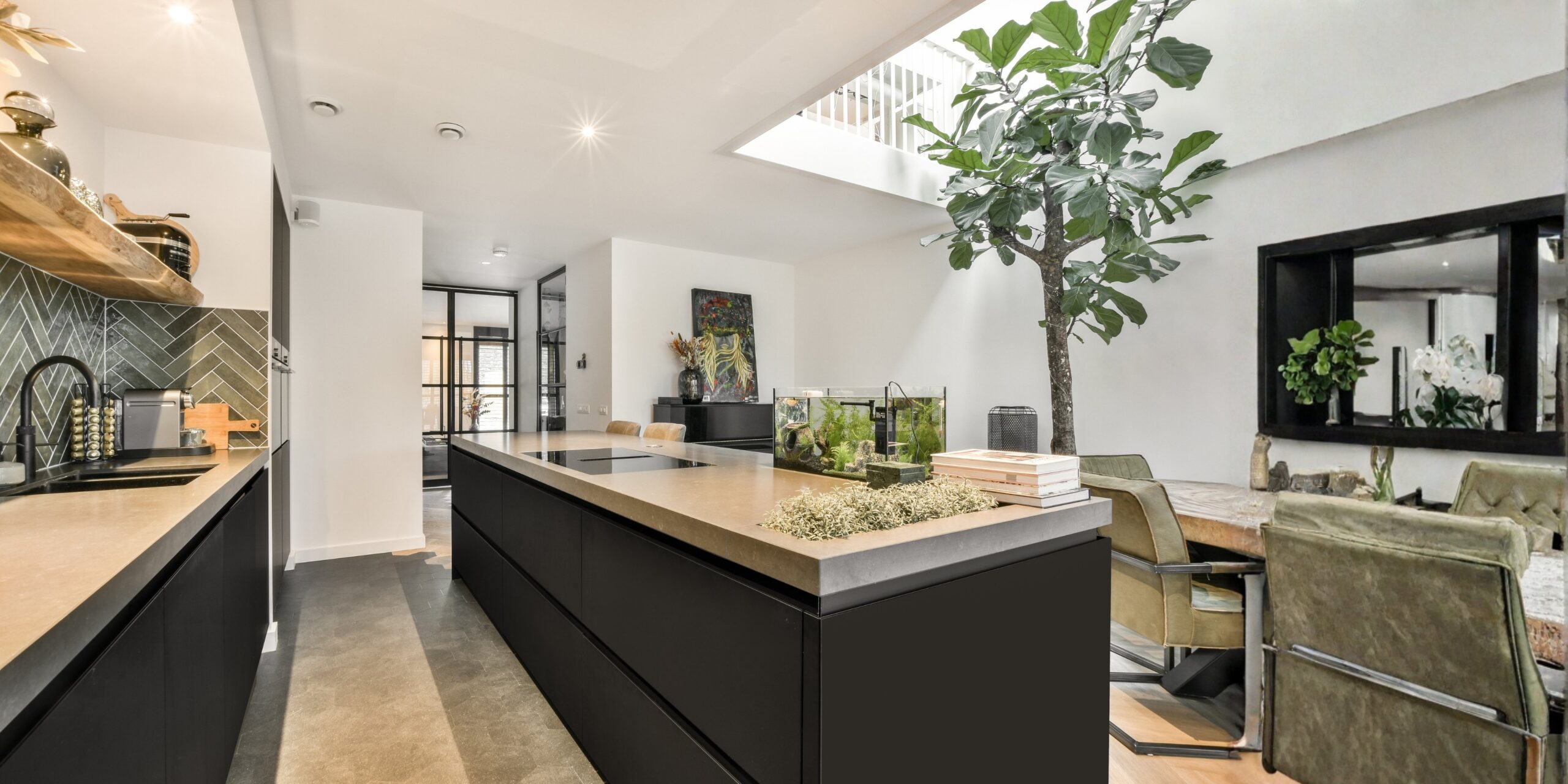
A. Residential Interior Design
Residential design is deeply personal and focused on the well-being of a small group—the family.
- Ultimate Goal: Comfort, Personalization, and Sanctuary. The space must reflect the unique lifestyle, preferences, and personal taste of the homeowner. It is designed for private, long-term habitation.
- Focus: Creating a relaxing, functional, and aesthetically pleasing environment for daily life, family bonding, and self-expression. A successful project for Commercial and Residential Interior Design in Bangladesh in the residential sector is one that feels like ‘home.’
- Client Base: An individual or a single family.
B. Commercial Interior Design
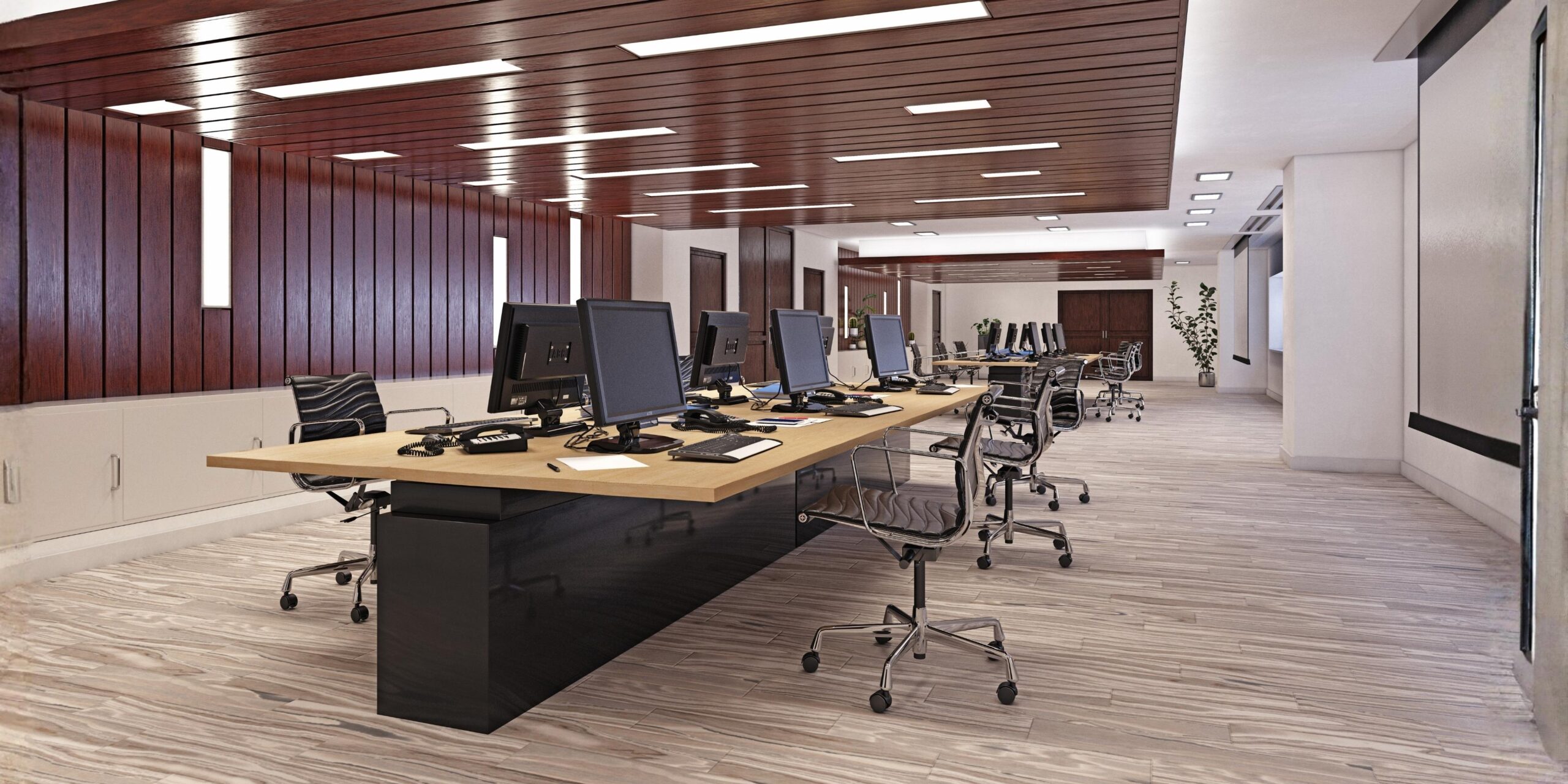
Commercial design, or “Contract Design,” serves a business purpose, often catering to a large and diverse public audience.
- Ultimate Goal: Functionality, Efficiency, and Brand Alignment. The design must support business operations, maximize workflow, and attract customers or retain employees. It is designed for public use and high traffic.
- Focus: Profit generation (for retail/hospitality) or productivity enhancement (for offices). The design must embody the company’s brand identity and facilitate the intended workflow. This distinction is central to all efforts in Commercial and Residential Interior Design in Bangladesh.
- Client Base: A business, corporation, or organization.
The Crucial Difference in Functionality and Durability
The expected lifespan and intensity of use dictate the materials and layout used in both sectors of Commercial and Residential Interior Design in Bangladesh.
Commercial and Residential Interior Design in Bangladesh
1. Material Selection
| Feature | Residential Interior Design in Bangladesh | Commercial Interior Design in Bangladesh |
| Foot Traffic | Low to moderate. | High and constant. |
| Material Priority | Aesthetics, comfort, warmth (e.g., plush fabrics, decorative finishes, delicate wood). | Durability, resilience, and ease of cleaning (e.g., high-performance vinyl flooring, engineered stone, metal, anti-microbial surfaces). |
| Maintenance | Generally done by the occupants; focus on personal upkeep. | Must be designed for rapid, industrial-scale cleaning and frequent repair/replacement. |
| Example | A soft, light-colored carpet in a master bedroom. | Industrial-grade, stain-resistant tiles or laminated flooring in an office lobby or restaurant. |
2. Space Planning and Zoning
The flow and use of space are mapped differently for a home versus an office in the field of Commercial and Residential Interior Design in Bangladesh.
- Residential: Prioritizes privacy, comfort, and zoning for intimate functions (e.g., dividing living, dining, and sleeping areas). Layouts are often designed around the sun’s direction or personal preferences for Vastu or Feng Shui.
- Commercial: Prioritizes circulation paths (how easily people can move), workflow efficiency (for staff), and maximizing occupancy while meeting safety standards. Spaces are often open-plan and modular to allow for future business expansion.
Compliance and Safety Regulations
This is perhaps the most critical distinction where safety and legality are paramount, significantly affecting Commercial and Residential Interior Design in Bangladesh.
A. Stricter Commercial Regulations
Commercial spaces, due to their public nature and high occupancy, must adhere to a much stricter and extensive set of building codes and safety regulations. Designers specializing in Commercial and Residential Interior Design in Bangladesh need deep, segmented knowledge here.
- Fire Safety: Mandatory fire-retardant materials, clearly marked emergency exits, specific requirements for fire extinguishers, and sprinkler systems.
- Accessibility: Strict adherence to accessibility guidelines (e.g., ramp slopes, washroom dimensions, elevator size) to accommodate people with disabilities.
- Structural Load: Commercial structures often require different engineering to support heavy equipment (like specialized hospital gear or large servers).
B. Residential Flexibility
While homes must meet local building and safety regulations (electrical wiring, plumbing standards), the constraints are generally less severe. Homeowners in Bangladesh have much greater flexibility in choosing layouts and non-structural materials without the legal oversight required for public access.
Budget and Financial Scope
The financial goals and budget structures for Commercial and Residential Interior Design in Bangladesh are fundamentally different, reflecting the return on investment (ROI) perspective of business owners.
Commercial and Residential Interior Design in Bangladesh
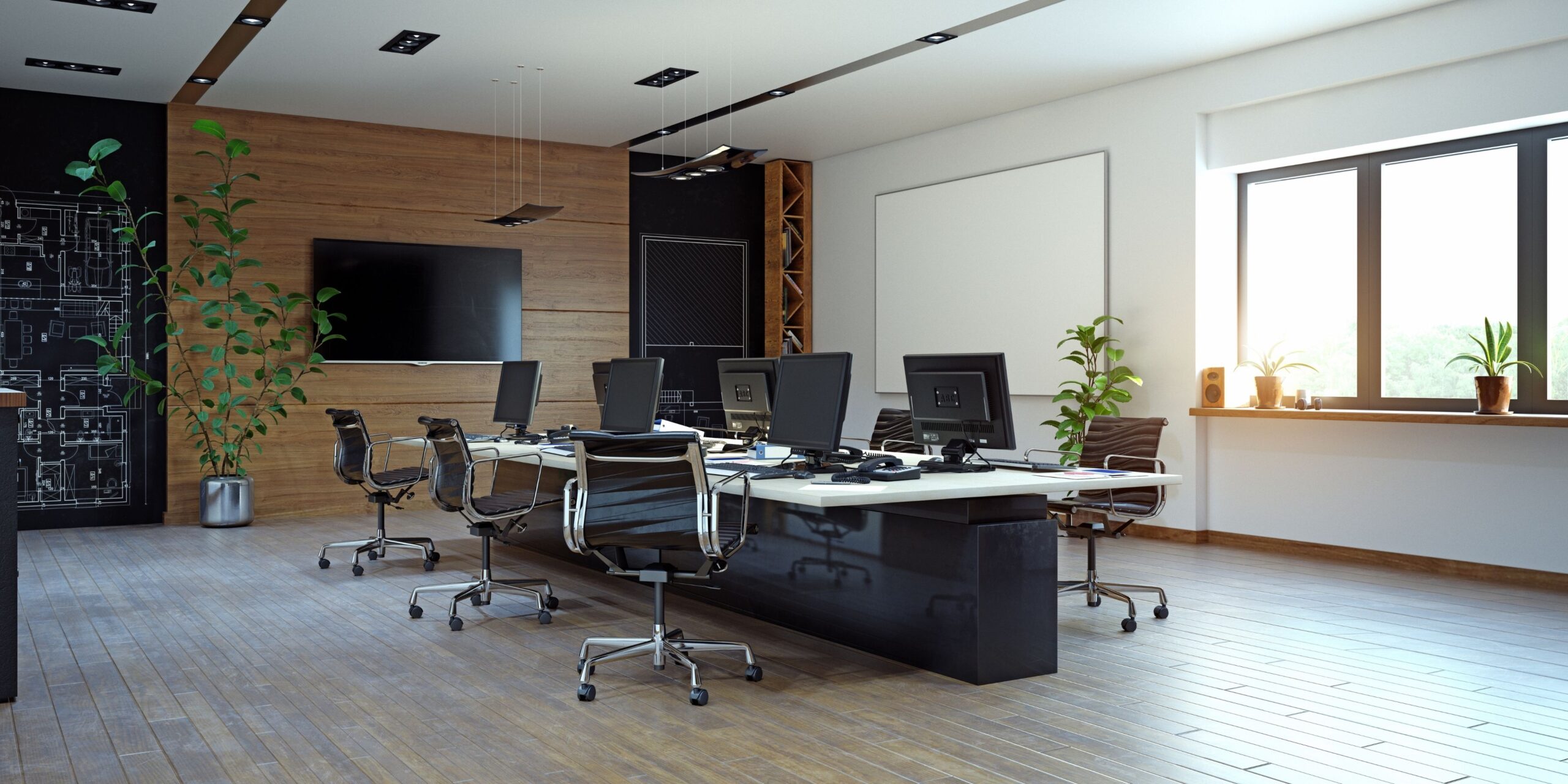
A. Commercial ROI and Scale
- Budget Size: Typically larger than residential projects due to the vast scale, need for high-durability, commercial-grade materials, and complex systems (HVAC, advanced lighting, security).
- Financial Driver: The design is an investment with a measurable ROI. A well-designed retail space directly drives sales; a well-designed office boosts employee productivity and morale, justifying the higher expenditure. The designer’s task is often to create a powerful, enduring brand experience that generates revenue.
B. Residential Personal Investment
- Budget Size: Varies widely based on the homeowner’s personal wealth and material choices (e.g., custom marble versus standard ceramic tiles).
- Financial Driver: The expenditure is a personal lifestyle investment in comfort, happiness, and personal asset value. While resale value is a factor, the primary driver is the client’s emotional satisfaction.
Aesthetics and The Design Voice in Commercial and Residential Interior Design in Bangladesh
The look and feel of a space are dictated by whether it needs to soothe an individual or appeal to a mass market.
A. The Commercial Brand Voice
- Aesthetic Goal: To reinforce the corporate brand, create a specific public image, and appeal to the target demographic. The design must be cohesive, recognizable, and immediately communicate the business’s identity (e.g., a bank must look trustworthy; a trendy café must look Instagrammable).
- Design Lifespan: Commercial designs often need to be updated every few years to keep up with industry trends (especially in retail and hospitality), requiring the designer to plan for future renovations.
B. The Residential Personal Voice
- Aesthetic Goal: To embody the client’s individual story, values, and desired mood. The design is intimate, personal, and often incorporates sentimental elements like family heirlooms, personal art collections, and unique cultural artifacts.
- Design Lifespan: Residential designs are intended to be timeless and permanent, adapting to the family’s changing needs rather than fleeting market trends.
The Designer’s Skill Set in Bangladesh: Specialization is Key
While a talented designer can possess skills for both, the market for Commercial and Residential Interior Design in Bangladesh increasingly requires specialization.
Commercial and Residential Interior Design in Bangladesh
A. Commercial Designer’s Expertise
- Knowledge Base: Must be an expert in building codes, structural planning, large-scale project management, corporate branding, ergonomics, and spatial psychology (e.g., how a restaurant layout affects traffic flow and table turnover).
- Stakeholder Management: Deals with architects, engineers, city officials, business owners, and often multiple client representatives.
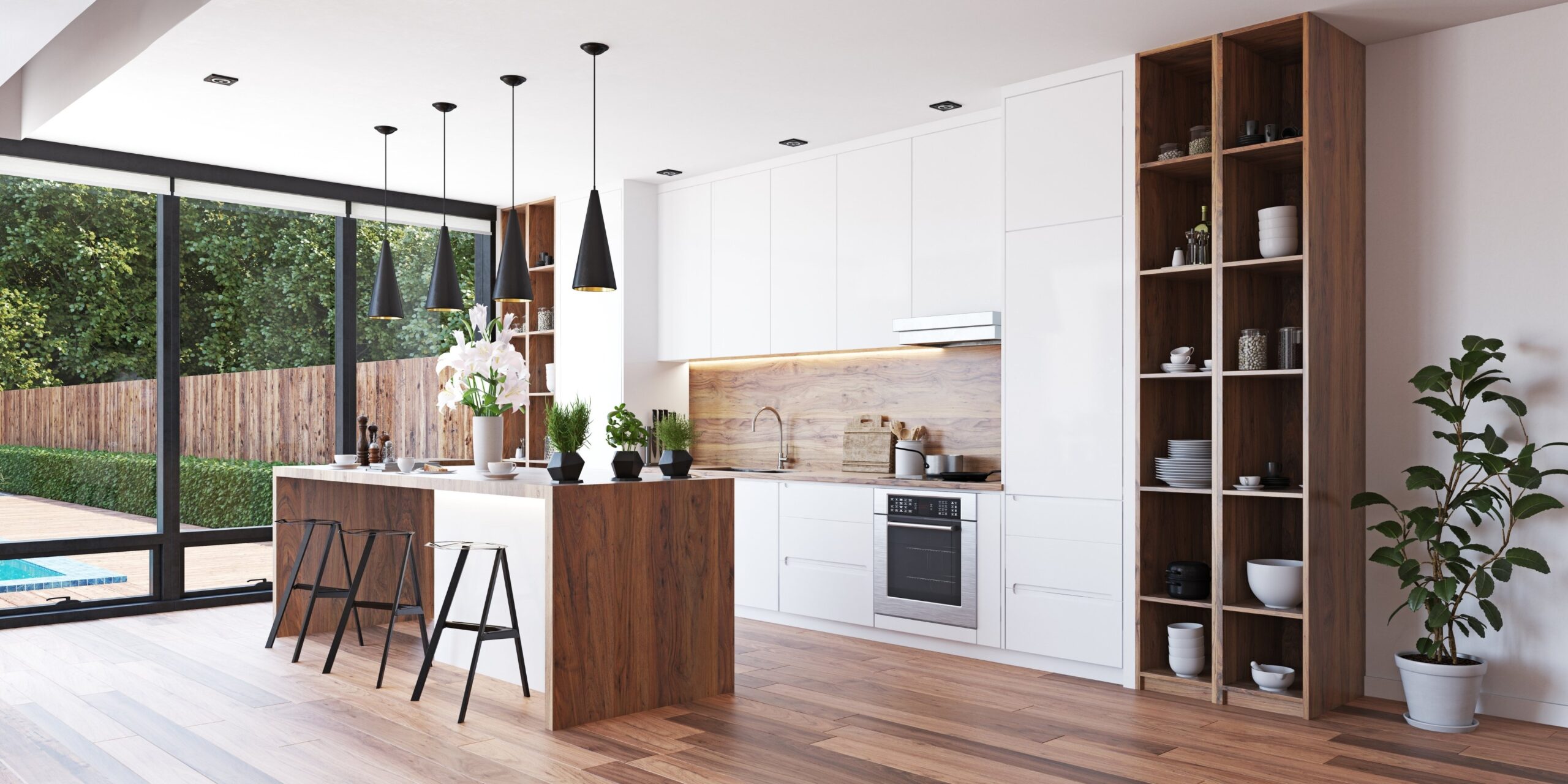
B. Residential Designer’s Expertise
- Knowledge Base: Excels in deeply understanding a single client’s needs, maximizing compact living spaces (a huge factor in urban Bangladesh), custom furniture design, personalized aesthetics, and budget control for a personal project.
- Stakeholder Management: Primarily focuses on a close, trusting relationship with the homeowner and coordination with specialized local craftsmen or carpenters.
The Future of Commercial and Residential Interior Design in Bangladesh
The distinction between Commercial and Residential Interior Design in Bangladesh is sharper than ever, driven by technological advancement and global trends.
- Smart Integration: Both sectors are embracing smart technology, but for different purposes.
- Residential: Automated climate control, smart security, and ambient mood lighting.
- Commercial: Automated check-in kiosks, energy-efficient building management systems, and large-scale digital displays for branding.
- Sustainability: There is a growing focus on using locally sourced, sustainable materials like jute, bamboo, and reclaimed wood in both Commercial and Residential Interior Design in Bangladesh, reflecting an eco-conscious shift in the market.
Finial Thoughts
When embarking on any project in Bangladesh—be it a cozy apartment in Mirpur or a state-of-the-art office in Gulshan—recognizing whether you need expertise in Commercial and Residential Interior Design in Bangladesh is the first and most crucial step. While residential design creates a personal sanctuary of comfort, commercial design is a strategic business tool built for durability and profitability. The right designer understands these distinct worlds, ensuring that every square foot serves its intended, ultimate purpose.
Recent Comments